Structure
Water Feature Construction Malaysia: Design & Maintenance Guide
Apr 21 2026
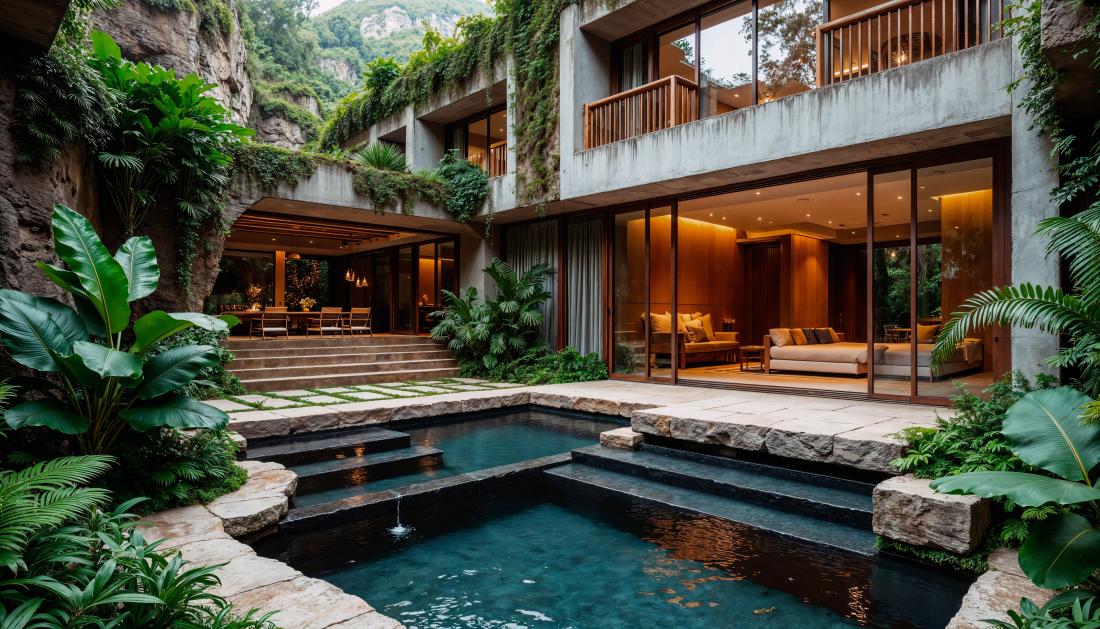
If you've ever walked past a home in Kuala Lumpur or Selangor and stopped dead in your tracks because of a stunning koi pond or a wall-mounted waterfall cascading into a pebble garden — you already know the power of a well-built water feature. There's something about moving water that makes a space feel alive, calm, and intentional all at once.
Water feature construction in Malaysia has grown significantly in popularity over the past decade, and honestly, it's not hard to see why. With our tropical weather, lush surroundings, and a culture that deeply values harmony and nature in living spaces, water features fit right in. Whether you're renovating a bungalow in Damansara, sprucing up a semi-d in Puchong, or designing a commercial lobby in KLCC, a thoughtfully built water feature can completely transform the atmosphere.
But there's more to it than just picking a design you like online. Water feature cost in Malaysia varies enormously depending on size, materials, complexity, and who you hire. And once it's built, maintaining it under Malaysia's heat and humidity takes some real know-how. This guide walks you through everything — from popular designs and what they actually cost, to the maintenance habits that keep your water feature looking its best year after year.
Water feature construction in Malaysia has grown significantly in popularity over the past decade, and honestly, it's not hard to see why. With our tropical weather, lush surroundings, and a culture that deeply values harmony and nature in living spaces, water features fit right in. Whether you're renovating a bungalow in Damansara, sprucing up a semi-d in Puchong, or designing a commercial lobby in KLCC, a thoughtfully built water feature can completely transform the atmosphere.
But there's more to it than just picking a design you like online. Water feature cost in Malaysia varies enormously depending on size, materials, complexity, and who you hire. And once it's built, maintaining it under Malaysia's heat and humidity takes some real know-how. This guide walks you through everything — from popular designs and what they actually cost, to the maintenance habits that keep your water feature looking its best year after year.
Why Malaysians Are Investing in Water Features
It's not just aesthetics, although that's a big part of it. Many Malaysian homeowners cite the sound of flowing water as a natural stress reliever — and science backs that up. The soft, continuous sound of water activates the parasympathetic nervous system, which is the body's natural rest-and-recovery mode. In a country where urban living can feel relentlessly fast, having that sound in your garden or living room is genuinely therapeutic.
Then there's the feng shui angle. Water features hold significant cultural weight in Malaysia's Chinese community, where moving water is believed to attract positive energy and prosperity when positioned correctly. A water feature near the entrance of a home or business — particularly one where water flows inward — is considered auspicious. This belief has driven demand for water feature construction in Malaysia among both residential and commercial property owners.
Beyond the cultural and wellness dimensions, there's a straightforward property value argument. Real estate agents in the Klang Valley will tell you that a well-maintained garden with a water element adds tangible curb appeal and perceived value to a property. It signals care, investment, and lifestyle — the kind of details that stick in a buyer's mind.
Popular Water Feature Designs in Malaysia
1. Garden Koi Ponds
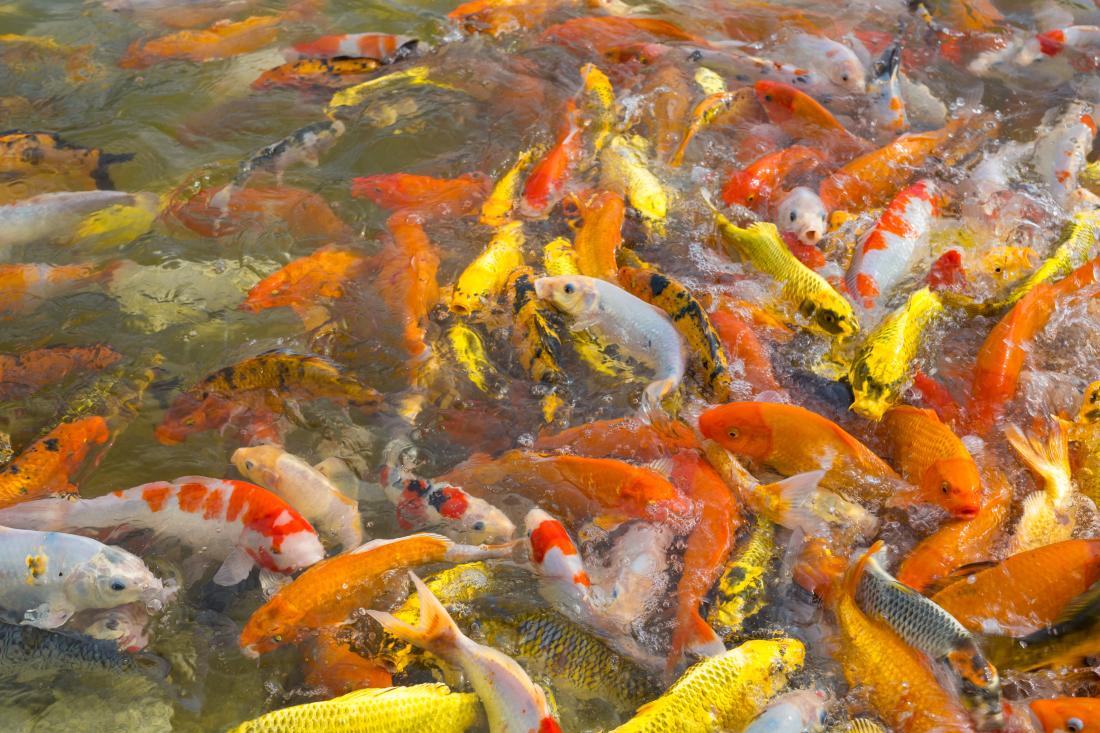
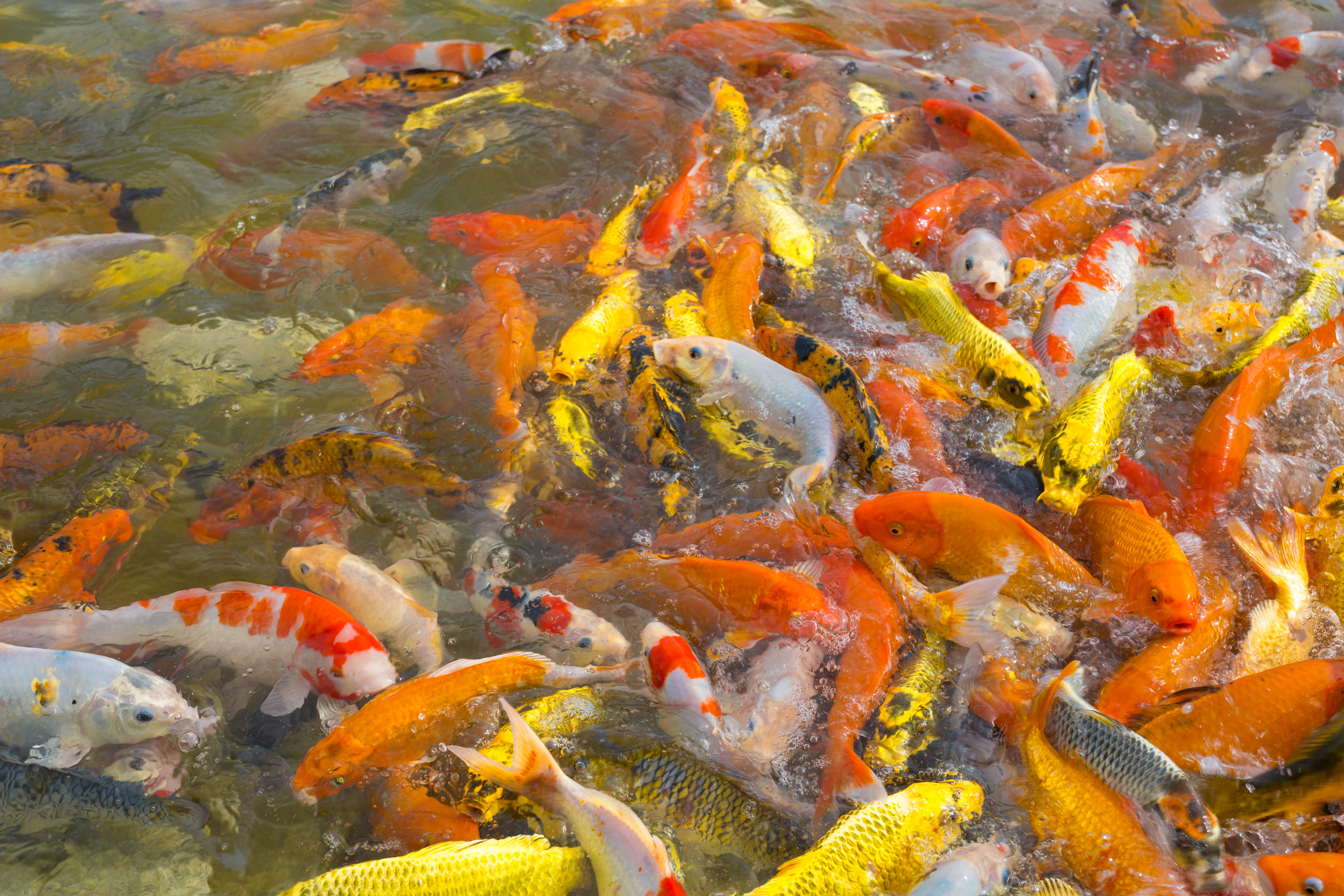
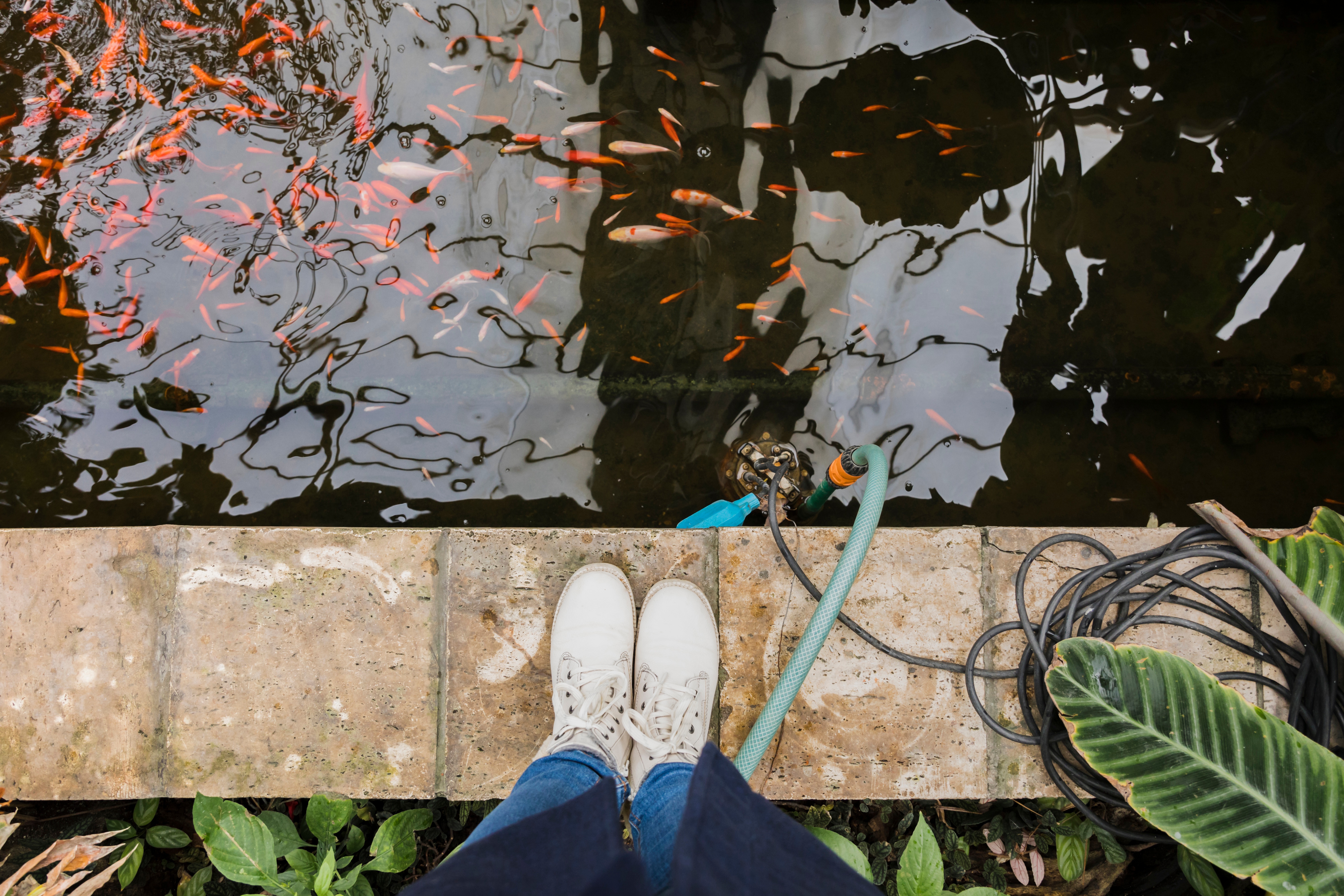
Koi ponds are arguably the most popular water feature type in Malaysian residential properties. They range from compact 6x4 feet installations tucked into a corner of a terrace house garden, to sprawling naturalistic ponds that anchor a bungalow's entire outdoor landscape.
A well-designed koi pond includes proper depth (at least 1.5 metres for serious koi keeping), quality filtration, aeration, and shade structures to manage Malaysia's intense afternoon sun. The visual appeal is undeniable — bright koi moving through clear water, surrounded by aquatic plants and stones, creates a living artwork that changes daily.
2. Wall-Mounted Water Walls and Water Curtains
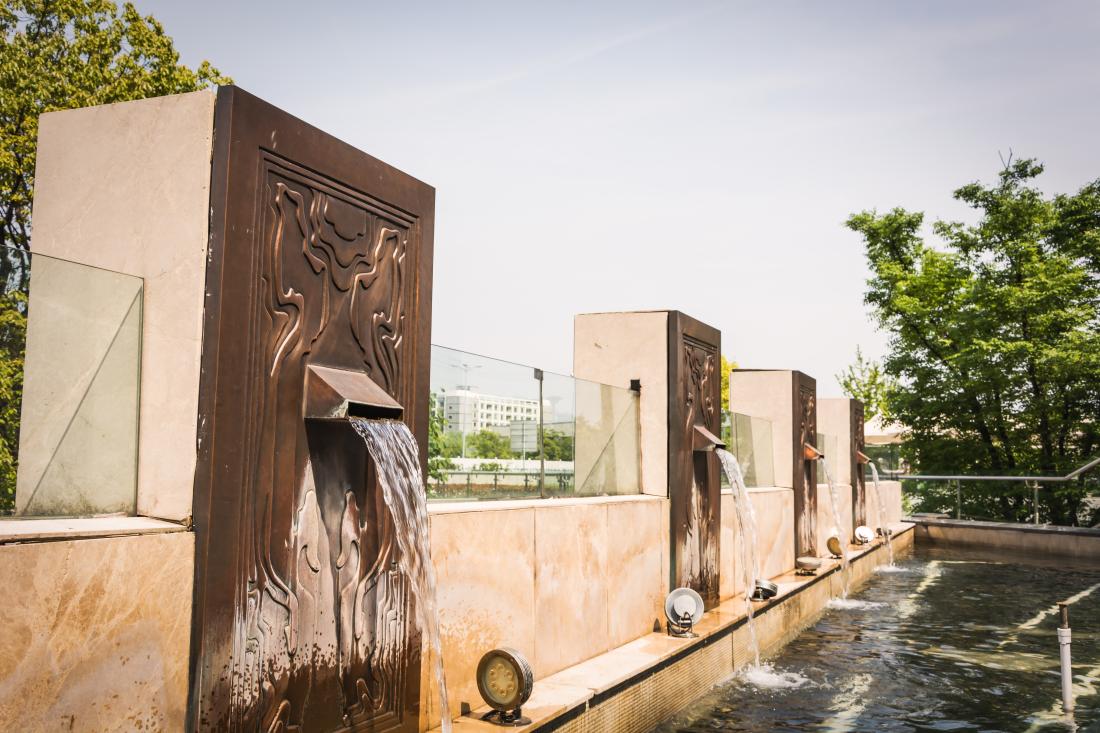
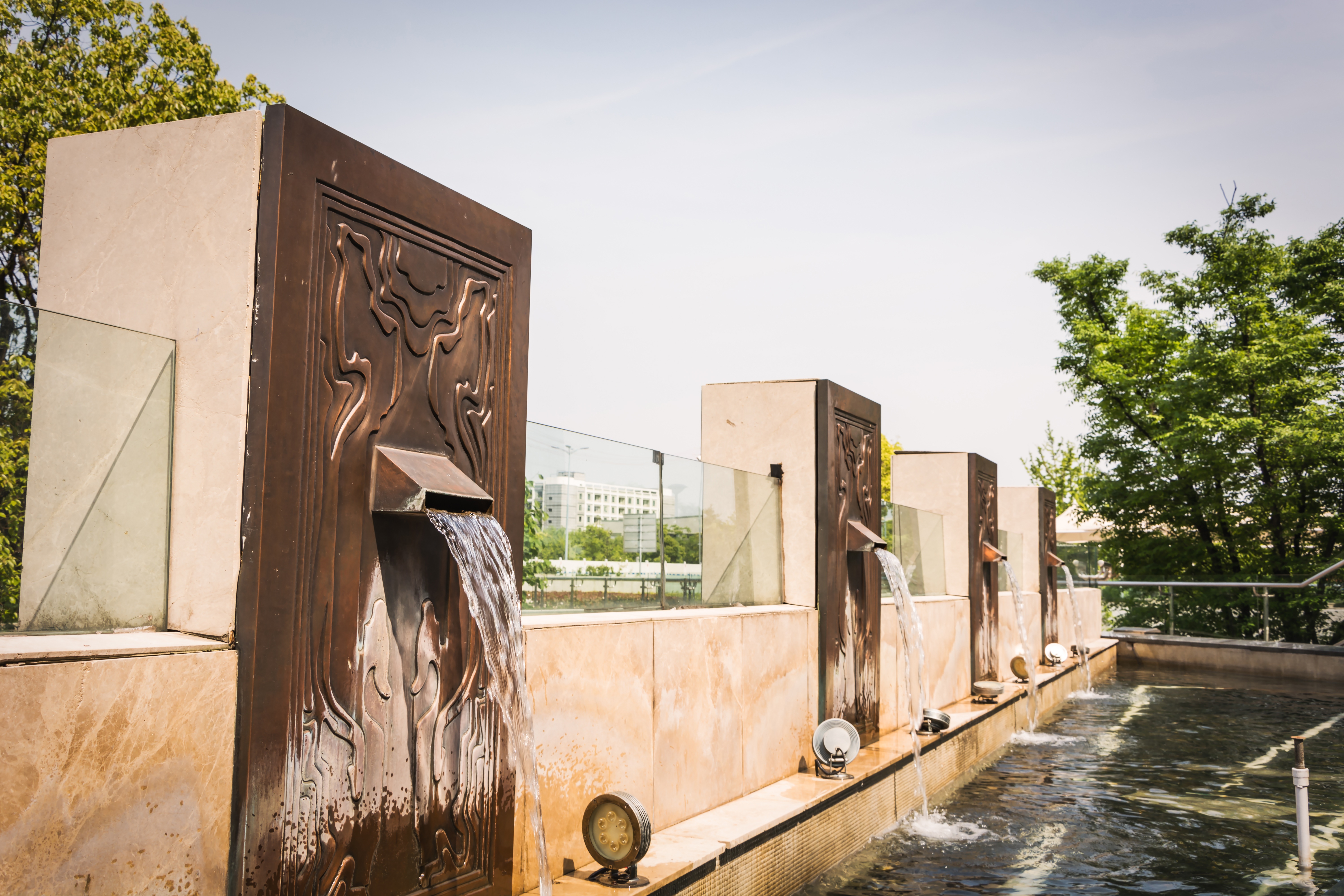
These are increasingly popular for indoor and semi-outdoor spaces. A water wall is essentially a flat or textured vertical surface over which water flows in a thin, continuous sheet. Materials range from glass and stainless steel to natural stone and decorative panels.
In commercial settings — hotel lobbies, corporate offices, restaurant entrances — water walls serve as dramatic focal points. In homes, they work beautifully in courtyards, feature walls near living rooms, or as a divider between outdoor entertainment areas.
3. Garden Fountains and Tiered Water Features
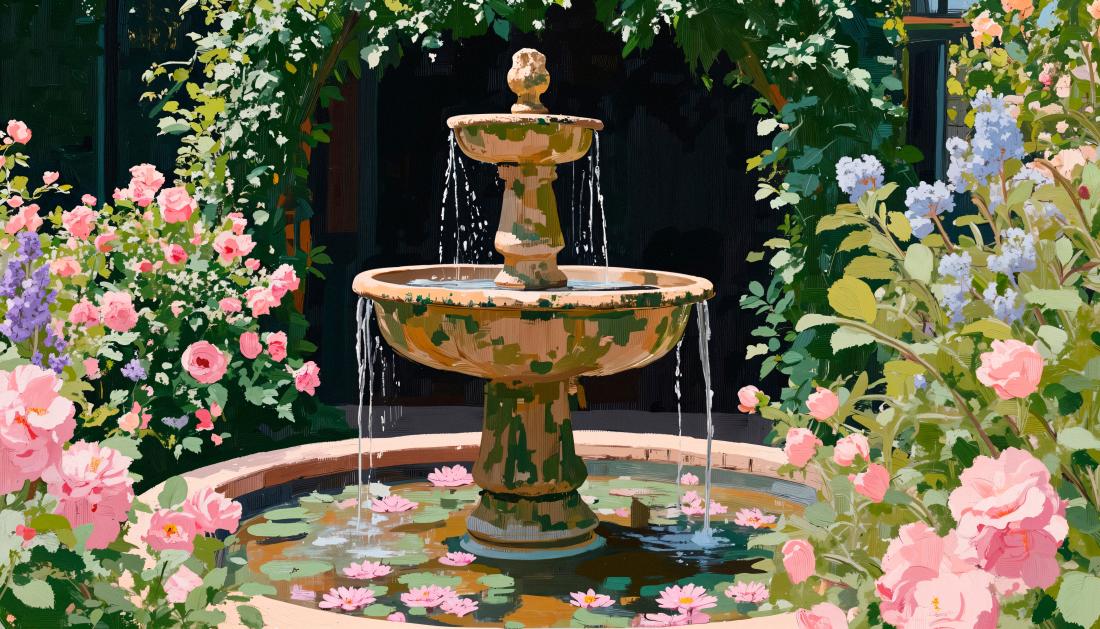
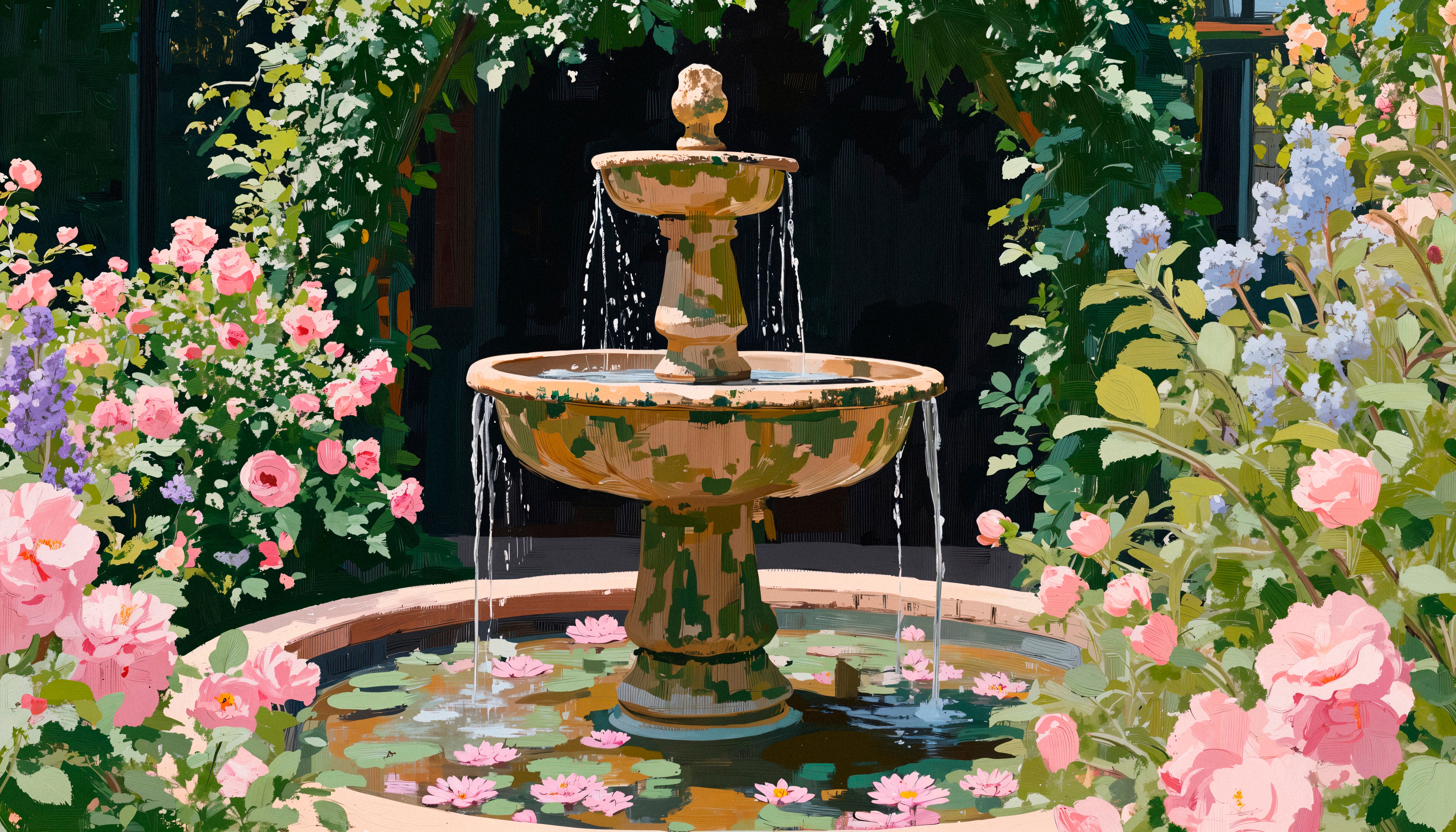
Classic fountain designs — whether stone urns, tiered bowls, or sculptural centrepieces — remain popular for gardens and outdoor patios. They're self-contained, relatively easy to install, and come in a huge range of price points. A basic pre-fabricated fountain can be installed in a day, while a custom-built stone fountain may take a week or more to complete.
4. Pond and Stream Combinations
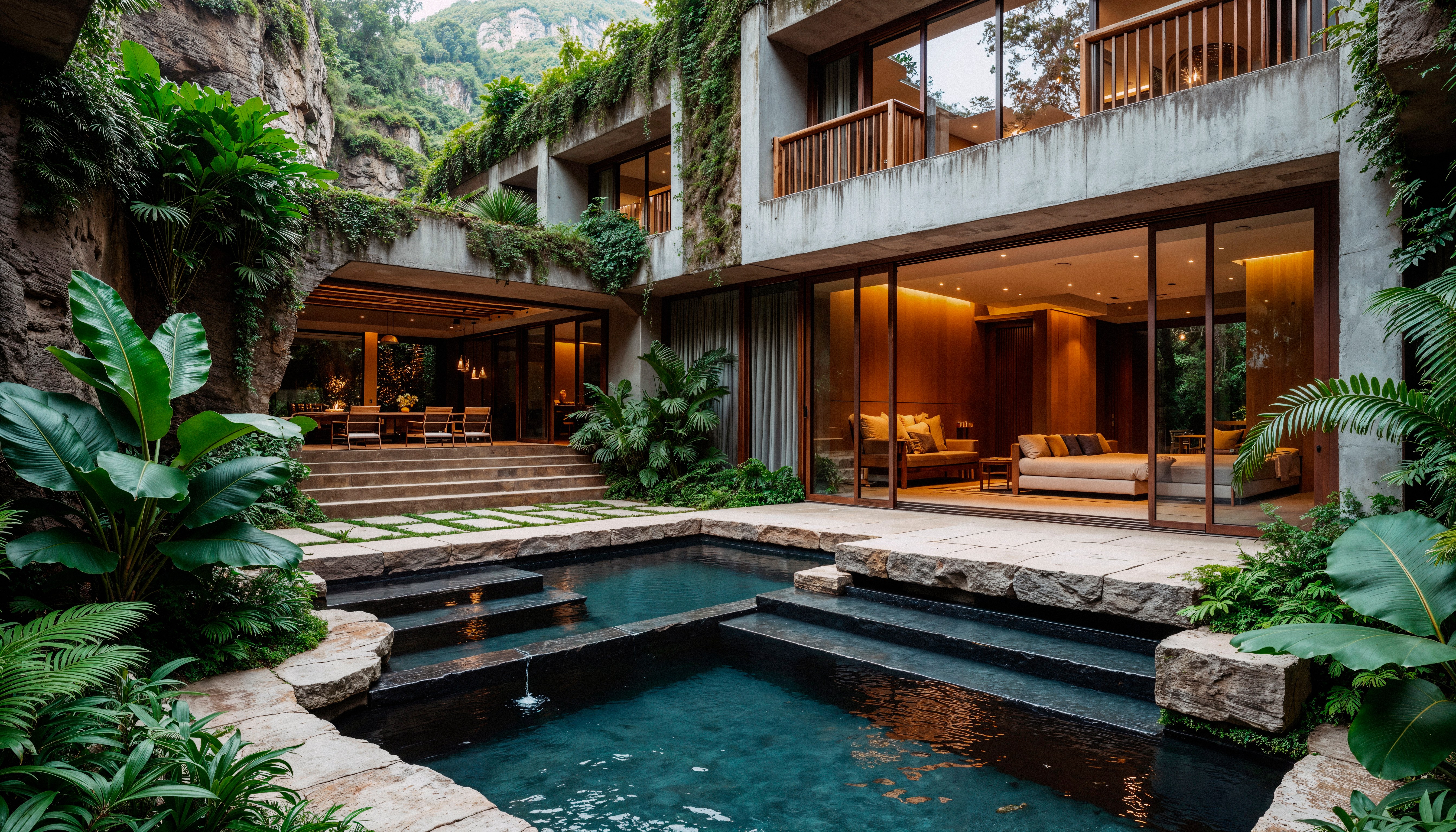
For larger properties, a naturalistic design featuring a pond connected to a winding stream or rill creates an immersive garden experience. Boulders, aquatic planting, and naturalistic edges make these feel like they've always been part of the land. This style works especially well in tropical garden designs that incorporate heliconia, bamboo, and native ferns.
5. Indoor Water Features
Indoor water features are gaining traction in Malaysian homes, particularly in modern minimalist interiors. Compact tabletop fountains, wall-recessed water features behind glass, and floor-standing water columns all bring the sensory experience of water inside without requiring outdoor space.
Hiring a Contractor for Water Feature Construction in Malaysia
Choosing the right contractor makes an enormous difference in the outcome. The water feature construction industry in Malaysia includes a wide spectrum of providers — from experienced landscape architects and specialist pond builders to general contractors who take on water features as a side job.
Here's what to look for when hiring:
Portfolio and specialisation — Ask to see past work, specifically water features, not just general landscaping. Photos are good; site visits are better. A contractor who specialises in koi ponds, for instance, will understand filtration, fish health, and water chemistry in ways a generalist won't.
Clarity on filtration — This is one of the most important factors in water feature construction, particularly for koi ponds. Ask directly: what filtration system do they recommend, and why? A good contractor will explain the logic clearly and help you understand what you're paying for.
Warranty and after-service — Structural issues like cracking or waterproofing failure can emerge months after completion. Ask about workmanship warranties, and whether the contractor offers maintenance services or can recommend a trusted provider.
Detailed quotation — A professional contractor should provide a written quotation that breaks down costs by component: excavation, materials, equipment, labour, and any electrical or plumbing work. Vague lump-sum quotes make it hard to compare providers or understand where your money is going.
Water Feature Maintenance in Malaysia: The Tropical Challenge
Malaysia's climate is both a blessing and a challenge for water features. The warmth supports beautiful aquatic plants and keeps fish active year-round, but it also accelerates algae growth, increases evaporation, and can stress fish during extreme heat periods.
1. Managing Algae
Algae is the most common maintenance challenge for water features in Malaysia. Green water, string algae, and biofilm on surfaces all thrive in warm, nutrient-rich water. Prevention is always better than cure — good filtration, UV sterilisers, appropriate stocking levels (fish produce waste that feeds algae), and floating plants that shade the water surface all help keep algae in check.
2. Water Top-Ups and Evaporation
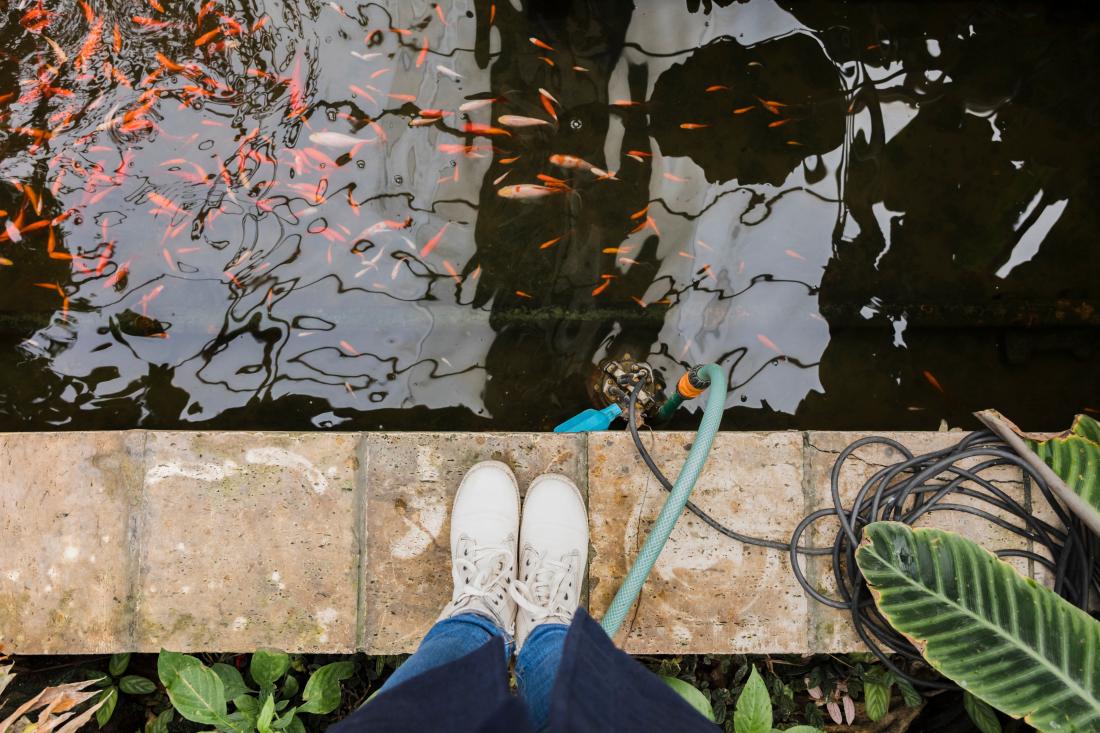
In Malaysia's heat, a pond or water feature can lose several centimetres of water per week through evaporation alone. Regular top-ups are essential, and it's worth installing a float valve for larger features so the water level maintains itself automatically. When topping up with tap water, use a dechlorinator — Malaysian tap water contains chlorine and chloramine that can harm fish and beneficial bacteria.
3. Pump and Filter Maintenance
The pump and filter are the heart of any water feature. Filters should be cleaned regularly — frequency depends on fish load and pond size, but monthly checks are a good baseline. Pump impellers should be inspected and cleaned to prevent clogging from debris and biofilm.
4. Seasonal Considerations
Even though Malaysia doesn't have true seasons, water feature owners should be aware of how the northeast monsoon (roughly November to March) and southwest monsoon (roughly May to September) affect their features. Heavy rainfall during monsoon season can cause significant water quality changes, introduce silt and runoff into ponds, and overflow poorly designed features. Proper overflow design is essential during the construction phase.
Design Tips for Malaysian Climates and Homes
If you're planning a water feature, a few design principles will serve you especially well in a Malaysian context:
1. Shade is your friend. Positioning your water feature so it receives morning sun but is shaded from the harsh afternoon sun (typically from the west) reduces algae growth, lowers water temperature, and protects fish. Incorporate shade structures, mature trees, or shade sails into the design.
2. Think about drainage. Malaysia receives heavy rainfall, and your water feature needs proper overflow design so it doesn't become a flood hazard during downpours. A well-designed overflow weir or drain ensures excess water exits safely without damaging your garden or surrounding structure.
3. Choose native or well-adapted plants. For ponds and naturalistic water features, plants like lotus, water lily, papyrus, and Canna indica thrive in Malaysian conditions and provide both beauty and practical benefits like shading and nutrient uptake.
4. Consider noise and safety. If you have young children at home, safety around water features is paramount. Shallow designs, grating over the water surface, or fenced-off areas are practical options that don't have to compromise aesthetics.
Frequently Asked Questions
Q: How long does water feature construction in Malaysia typically take?
A: It really depends on the scale and complexity of the project. A simple pre-built fountain installation can be completed in a day or two. A medium-sized koi pond with landscaping typically takes one to three weeks. Large, custom projects with complex filtration systems, water walls, or stream features may take four to eight weeks or longer. Get a clear timeline from your contractor upfront, and ask how weather delays (very relevant in Malaysia) are handled.
Q: Is water feature construction in Malaysia worth the cost?
A: For most homeowners who genuinely enjoy their outdoor space, yes. A well-built water feature adds both lifestyle value and aesthetic appeal that few other garden investments can match. The key is being realistic about ongoing maintenance costs and committing to them — a neglected water feature detracts from a property far more than having no water feature at all. If you're budget-conscious, start smaller and expand later rather than overextending on a feature you can't maintain properly.
Q: What is the most low-maintenance water feature option in Malaysia?
A: Wall-mounted water walls or simple recirculating fountains with no fish tend to be the most low-maintenance options. Without fish, you're not dealing with waste management, feeding schedules, or the water quality demands that come with aquatic life. A basic recirculating pump, a filter cartridge, and occasional top-ups and cleaning are usually all that's needed. Adding live aquatic plants does introduce some maintenance but also helps keep the water naturally cleaner.